7 Tips for Buying a Skin Care Beauty Machine

Time:2026-09-29 Author:Sophia
0%

Choosing a Skin Care Beauty Machine can feel exciting, especially when product photos promise smoother skin overnight. The reality is less dramatic. Professional results depend on suitable technology, correct settings, proper training, and consistent aftercare.

This guide presents seven practical tips for making a safer, more informed purchase. It considers treatment goals, skin sensitivity, device performance, supplier credibility, certifications, warranty terms, and maintenance requirements. A reputable seller should explain the machine’s intended use clearly, provide operating guidance, and avoid unsupported medical claims. Independent reviews, technical documents, and qualified skincare advice can also reveal details that polished advertisements often hide.

Look closely.

A device may look advanced, yet its controls could be confusing or poorly labeled. A compact machine might fit neatly beside a treatment bed, but replacement parts may be expensive or difficult to obtain. Noise, cleaning time, cord length, and handpiece weight matter during a busy working day. These small details are easy to ignore before purchase.

Price deserves careful thought, too. The cheapest option may create higher costs through repairs, weak support, or frequent consumables. However, the most expensive model is not automatically the best choice. That assumption needs questioning. Match the machine’s features with real treatment needs, available skills, and a realistic budget. Safety should remain central, including appropriate eye protection, sanitation procedures, and manufacturer-approved use. This approach cannot remove every risk, but it can reduce avoidable mistakes and support more responsible decisions.
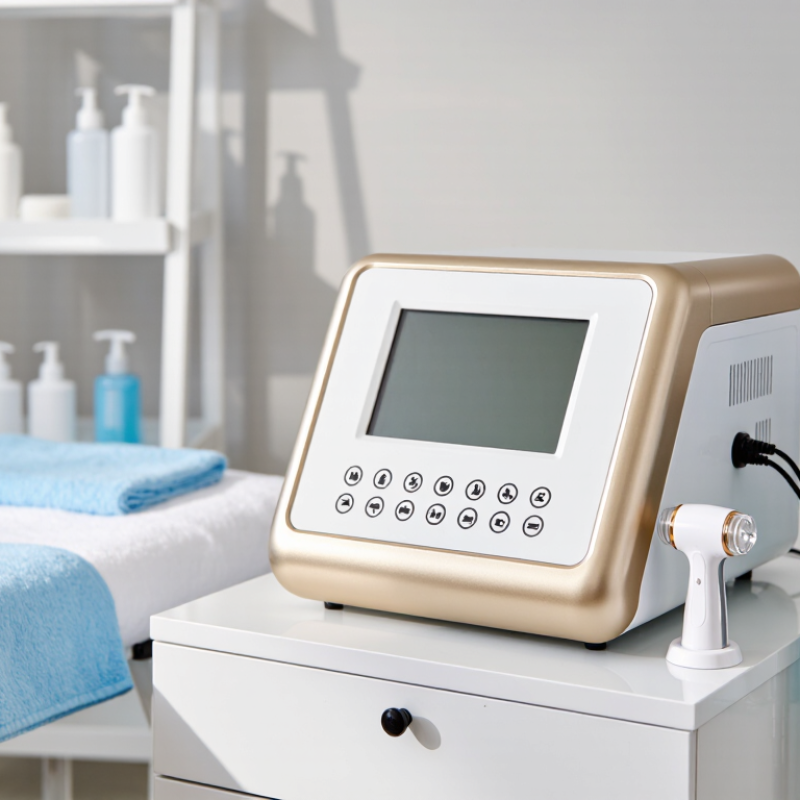
7 Tips for Buying a Skin Care Beauty Machine

Understanding Skin Care Beauty Machines and Their Main Uses

Skin care beauty machines use energy or mechanical action to support specific cosmetic goals. Common categories include LED devices for light-based treatments, microcurrent tools for temporary facial toning, and radiofrequency or ultrasound systems designed to heat deeper tissue. Some devices target hair removal or skin resurfacing instead. Their effects differ, so “all-in-one” claims deserve careful scrutiny.

The International Society of Aesthetic Plastic Surgery reported 18.9 million nonsurgical aesthetic procedures worldwide in its 2022 Global Survey. That figure includes many treatments, not only machine-based ones; it signals demand, not proof that a particular device works. Before buying, check the intended treatment area, operating instructions, contraindications, and whether published studies match the device’s energy level and home-use setting. A clinic machine and a handheld home device are not interchangeable. This detail is easy to overlook.

Look for clear safety information, independent testing, and realistic outcome claims. Ask how often treatments are needed, what maintenance costs, and what happens if the device malfunctions. For example, a device used near the eyes should provide precise eye-safety guidance, while a heated tool should explain temperature limits. Skin type matters. People with sensitive skin or medical conditions should seek advice from a qualified health professional before use. Even a polished instruction booklet may leave questions unanswered.

Defining Your Skin Care Goals and Treatment Needs

Before comparing a skin care beauty machine, name the concern you want to address: uneven tone, visible redness, rough texture, or temporary puffiness. Be specific. “Better skin” is not a treatment plan. Note where the concern appears, when it began, and what you already use. A weekly photo beside a window can reveal changes that bathroom lighting hides. If a condition is painful, persistent, or changing, ask a qualified dermatologist before choosing a device. Guessing can waste money.

The ISAPS 2023 Global Survey reported more than 19 million nonsurgical aesthetic procedures worldwide, showing broad interest in non-surgical treatments—not proof that every device works for every person. Match the machine’s intended function to your goal, then check whether its instructions describe the treatment area, session frequency, expected results, and risks. Look for published clinical evidence on the actual device type, not just attractive before-and-after images. Small details matter: eye protection, cleaning steps, and a clear stop-use warning. Very practical.

Set a realistic measure of success, such as fewer visible dark spots after several weeks, rather than expecting an instant transformation. Skin response varies. Even careful plans can miss something; irritation or sensitivity may change what is appropriate. Keep a simple treatment log, and pause if your skin reacts unexpectedly.

7 Tips for Buying a Skin Care Beauty Machine - Defining Your Skin Care Goals and Treatment Needs

Tip Skin Care Goal Treatment Need What to Look For Realistic Expectations and Safety
1. Define your main concern Address one priority, such as temporary puffiness, uneven-looking tone, or visible dryness. Choose a device category that is intended for that specific use rather than buying a machine with many unrelated features. Clear instructions explaining the intended use, treatment area, and recommended frequency. Home devices are not a substitute for diagnosis or treatment by a qualified medical professional. Results vary by person and device.
2. Match the technology to the goal Support a simple at-home routine or target a clearly defined cosmetic concern. Compare technologies such as cleansing brushes, low-level light devices, or microcurrent devices based on their stated purpose. Evidence-based product documentation, operating instructions, and transparent descriptions of what the technology can and cannot do. Different technologies work in different ways; avoid assuming that a device will deliver clinic-level results at home.
3. Consider your skin type and sensitivity Find a device that fits your skin’s tolerance and your existing routine. Assess whether your skin is sensitive, easily irritated, or prone to conditions that may be affected by heat, friction, or light. Adjustable settings, a clearly described patch-test process, and guidance for sensitive skin. Stop use if you experience persistent irritation or discomfort. Ask a clinician before use if you have a skin condition or are unsure whether a device is suitable.
4. Check safety features and instructions Use the device consistently while reducing avoidable risks. Understand how long each session should last, where the device can be used, and which areas to avoid. Readable safety instructions, appropriate eye-safety guidance where relevant, cleaning directions, and clearly stated warnings. Follow the manufacturer’s instructions. Do not use a device on broken or irritated skin unless its instructions and a qualified professional advise that it is appropriate.
5. Make sure it fits your routine Choose a treatment you can realistically maintain. Consider session length, charging or power needs, cleaning, storage, and whether the device is practical for travel. Simple operation, manageable upkeep, and a treatment schedule that fits your usual skin care routine. Regular use may be needed for some cosmetic devices, but more frequent or longer use is not necessarily better.
6. Compare total cost and support Stay within budget without overlooking ongoing expenses. Account for replacement parts, compatible accessories, warranty terms, and customer support. Clear warranty and return policies, available replacement components, and accessible instructions for troubleshooting. Consider the total cost of ownership, not only the initial purchase price. Avoid products with unclear specifications or unsupported claims.
7. Set a way to assess results Decide how you will judge whether the device is useful for you. Choose a simple, consistent method, such as noting comfort and routine adherence or taking photos in similar lighting. Realistic claims that describe expected use and limitations rather than promising guaranteed or immediate results. Allow an appropriate period of consistent use as directed. Discontinue use and seek professional advice if you notice a concerning reaction.

Comparing Technologies, Features, and Safety Standards

When comparing a skin care beauty machine, identify the technology before admiring its screen or polished housing. LED devices use light wavelengths, while radio frequency devices deliver controlled heat. Microcurrent models use low electrical currents, and ultrasound devices use mechanical vibration. Each method suits different routines, skin conditions, and operator skills.

Ask for measured output, wavelength, energy range, treatment time, and contact temperature. Numbers matter more than dramatic promises.

Look closely at practical features. A clear interface, adjustable intensity, automatic shutoff, insulated handpieces, and stable cables reduce operating errors. Cooling contact can improve comfort, but it does not make careless use safe.

Check whether sensors detect poor contact or excessive heat. Request service records, calibration guidance, cleaning instructions, and replacement-part availability.

A cheap unit can become expensive when support disappears.

Safety standards deserve equal attention. Confirm electrical testing for your market, traceable manuals, risk warnings, and documented quality controls. For professional equipment, verify relevant medical electrical safety requirements and local operator rules.

Do not trust a certificate shown without a scope or verification path. Ask about contraindications, eye protection, pregnancy warnings, implanted devices, and post-treatment irritation.

I would test a sample unit first, then review its records with a trained technician. I have learned that attractive specifications can hide awkward cleaning and inconsistent energy delivery.

That doubt is useful.

Evaluating Build Quality, Certifications, and Ease of Use

Buying a skin care beauty machine requires more than attractive specifications. Grand View Research’s 2024 market analysis estimates strong growth in beauty devices, with demand expanding across professional and home-use settings. Growth can encourage rushed purchasing. I inspect the casing, treatment head, cable joints, and cooling vents first. Uneven seams or loose connectors often suggest weak quality control. Ask for material details, test records, warranty terms, and replacement-part availability.

Tip 1: Check certifications carefully. An ISO 9001 certificate indicates a quality-management system, not automatic product safety. The ISO Survey 2022 recorded more than 1.2 million ISO 9001 certificates worldwide, showing the standard’s broad use. However, certification scope matters. It should cover the manufacturer’s relevant facility or production process. For electrical equipment, look for applicable safety testing under recognized standards, such as IEC 60601-1 when the device falls within medical electrical equipment requirements. A printed logo alone proves little.

Tip 2: Test ease of use before buying. The display should show intensity, duration, and treatment status clearly. Menus should not require repeated guessing.

Tip 3: Review operating instructions and training support. A 2023 industry survey by the Professional Beauty Association identified education and technical confidence as important concerns for salon professionals. I prefer machines with clear contraindications, cleaning steps, and fault alerts. One weakness deserves attention: some product manuals explain settings poorly. That can create inconsistent treatments, even when the hardware appears impressive. Ask for a live demonstration, then observe whether a new user can operate it safely without constant assistance.

Reviewing Costs, Maintenance, and After-Sales Support

7 Tips for Buying a Skin Care Beauty Machine

The purchase price rarely shows the full cost of a skin care beauty machine. Compare the machine, installation, training, consumables, software, and delivery fees. Ask for proof. Request a written quotation with every recurring charge clearly listed. A low-priced device may require costly cartridges or frequent replacement parts. Check whether the supplier provides safety documents, user instructions, and treatment parameters supported by professional guidance. These details help operators work consistently and reduce avoidable errors.

Maintenance deserves careful attention before payment. Ask how often filters, handpieces, cooling systems, and cables need inspection. Confirm whether technicians can perform repairs locally or remotely. Review the expected service timeline and keep a maintenance log after installation. Cheap is not cheap. I once underestimated downtime during a routine repair, and the lost appointments cost more than expected. That experience made service access a major buying factor, not a minor detail.

After-sales support should be specific, measurable, and easy to test. Check the warranty period, excluded parts, response times, training access, and availability of replacement components. Ask whether support continues after the warranty expires. A responsible supplier should explain troubleshooting steps without making unrealistic treatment promises. Request references from established clinics, then ask about delays, communication, and repair quality. If answers remain vague, pause the purchase. A reliable machine needs reliable people behind it. Pricing matters, but long-term support often determines whether the equipment remains practical.

7 Tips for Buying a Skin Care Beauty Machine

Example annual ownership budget for a professional skin-care device (USD)

Routine supplies, maintenance, repairs, and support can add to the purchase price. These figures are planning estimates, not market quotes; request a written breakdown of service coverage, replacement-part costs, and response times before buying.

FAQS

How should I choose a skin care device for my needs?

Name one specific concern, such as uneven tone, redness, rough texture, or temporary puffiness. Note where it appears and when it began. A weekly photo beside a window can show changes more clearly than bathroom lighting.

What should I check before choosing a treatment method?

Match the device’s stated purpose to your concern. LED uses light, radio frequency delivers heat, microcurrent uses low electrical currents, and ultrasound creates mechanical vibration. Check the instructions for treatment areas, session frequency, expected results, and risks.

How can I tell whether a device’s claims are convincing?

Look for clinical evidence about the actual device type, not only dramatic before-and-after photos. Ask for measured output, treatment time, and other relevant specifications. Numbers matter. Attractive promises alone are not enough.

What safety details should I review before use?

Check for clear warnings, eye protection guidance, cleaning steps, and instructions for stopping use. Ask about contraindications, implanted devices, pregnancy warnings, and possible irritation. If a skin concern is painful, persistent, or changing, consult a qualified dermatologist.

Do certifications prove that a device is safe?

Not by themselves. An ISO 9001 certificate concerns quality management, not automatic product safety. Check its scope and verification details. For applicable electrical equipment, ask about recognized safety testing and traceable records.

What physical features can indicate better build quality?

Inspect the casing, treatment head, cable joints, and cooling vents. Look for loose connectors or uneven seams. Ask about warranty terms, calibration guidance, service records, and replacement parts. A low price can become costly if support disappears.

How can I judge whether a device is easy to operate?

The display should clearly show intensity, duration, and treatment status. Try the menus and request a live demonstration. See whether a new user can follow the instructions safely. Some manuals still explain settings poorly.

How should I measure results and respond to irritation?

Choose a realistic measure, such as tracking visible spots over several weeks. Keep a simple treatment log and pause if your skin reacts unexpectedly. Results vary. I might miss a detail, so reviewing the instructions again seems worthwhile.

Conclusion

Choosing a Skin Care Beauty Machine starts with understanding what different devices are designed to do and whether their intended uses match your needs. Define your skin care goals and treatment priorities before comparing options, so you can focus on relevant technologies and features rather than unnecessary extras. Consider how a device is operated, what safety guidance it provides, and whether its settings are appropriate for your experience and routine.

Look beyond the feature list when evaluating a purchase. Check the machine’s construction, available certifications, instructions, and ease of cleaning and use. Then compare the total cost, including any replacement parts or ongoing maintenance, and review the availability of customer support and service. Taking time to assess these factors can help you make a more informed choice and select a device that suits your goals, budget, and daily routine.

Sophia

Sophia

Sophia is a dedicated marketing professional with an exceptional depth of knowledge about her company's products and services. With a keen understanding of market trends and customer needs, she crafts insightful blog posts that not only inform but also engage readers, enriching the company’s online......