Choosing a Hydrafacial Beauty Machine in 2026 requires more than comparing glossy screens, suction levels, and discount prices. Clinics need equipment that performs consistently, protects the skin barrier, and supports safe, repeatable treatments. A beautiful machine can still disappoint when its vacuum feels uneven, its tips clog easily, or replacement solutions become difficult to source.
Dr. Dendy Engelman, a board-certified dermatologic surgeon, has said, “Healthy skin should never be sacrificed for dramatic results.” That principle matters when evaluating professional facial equipment. The best Hydrafacial Beauty Machine should cleanse, exfoliate, extract, and hydrate without creating unnecessary redness or discomfort. Look closely at adjustable suction, liquid flow, handpiece design, filter maintenance, and training support. Small details matter. A noisy pump can disturb a calm treatment room. A poorly sealed bottle can waste serum beside the treatment bed.
This guide examines seven promising machines for 2026, using practical criteria rather than marketing language. We consider treatment versatility, operating costs, client comfort, cleaning routines, warranty coverage, and supplier reliability. Some models offer impressive multifunction systems, yet their extra attachments may increase maintenance demands. Others appear less exciting but deliver steadier daily performance. That difference is easy to miss.
No device suits every clinic. Skin types vary. Budgets vary. Staff experience varies, too. The ranking may not be perfect, and that is worth admitting. A machine that performs well in one studio may feel inefficient in another. Read the comparisons carefully, test demonstrations when possible, and choose the equipment your team can operate responsibly every day.
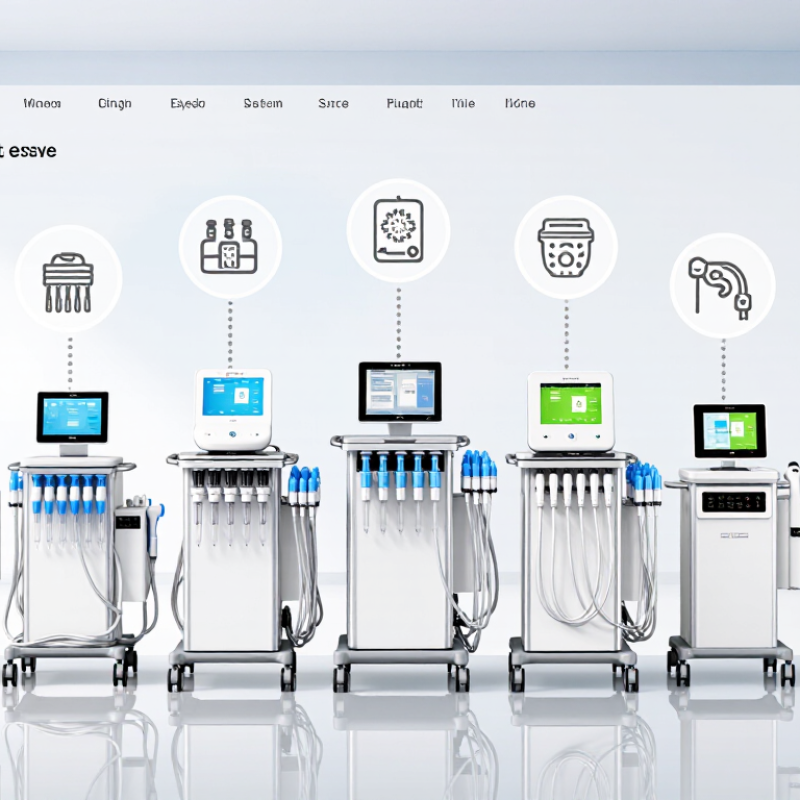
A Hydrafacial beauty machine is a professional skincare device that combines several steps in one treatment. It typically uses a handheld applicator to cleanse the skin, exfoliate its surface, and loosen debris from pores. Some systems use gentle suction to collect loosened material while delivering a water-based solution or serum. The exact features vary, so the name alone does not tell you how a particular machine works.
Think of a treatment as a careful sequence, not a deep clean that should feel harsh. A trained operator may glide the applicator across damp skin, adjusting the technique for the area and the client’s comfort. The skin can feel cool and wet, with mild suction at the tip. Comfort matters.
These machines are used in beauty settings, but results and tolerability differ from person to person. Sensitive skin, active irritation, or certain skin conditions may call for a gentler approach or professional advice before treatment. Clean, correctly maintained handpieces and fresh treatment solutions also matter; impressive settings cannot replace good hygiene. One limitation is easy to overlook: a device may make skin feel temporarily smoother, but it cannot guarantee lasting changes or replace individualized skincare guidance.
A hydradermabrasion beauty machine is a device used for a water-based facial treatment that may combine cleansing, gentle exfoliation, suction-assisted pore cleansing, and topical serum application. Features and treatment protocols vary by device and provider.
How to read this chart: Bars show the usual order of common treatment stages, not treatment duration or a performance rating. The exact steps depend on the device, products, and practitioner.
When comparing hydrafacial beauty machines, look beyond the number of treatment modes. Check the core functions: cleansing, exfoliation, serum infusion, and suction-based extraction. A clear control panel should let an operator adjust suction and solution flow without guessing.
Small detail, big difference. If settings jump from gentle to intense, that may make it harder to tailor treatments for different skin needs.
Inspect the handpieces and tubing, too. They should feel comfortable during a full session, connect securely, and be easy to clean according to the manufacturer’s instructions.
Ask how filters, tips, and other consumables are replaced, and confirm their ongoing cost before buying. A machine with several functions can sound impressive, but unused modes do not add value.
I would rather see reliable pressure control than a crowded menu of vague options.
Compare water and solution capacity, noise, footprint, warranty terms, and staff training support.
If possible, request a live demonstration using the exact model under consideration. Watch how quickly it switches functions and whether suction remains steady across the treatment.
Product specifications can be useful, but they may not show awkward hose placement or a confusing interface. That part is easy to overlook.
Keep a short checklist, then compare each model against the treatments you actually plan to offer.
The 7 Best Hydrafacial Beauty Machines to Buy in 2026 should be judged by treatment control, not screen size. The International Society of Aesthetic Plastic Surgery’s 2023 global survey recorded 15.8 million nonsurgical aesthetic procedures, up 7.2% from 2022. That signals strong interest in noninvasive care, but it does not prove demand for any single device. Keep that distinction in mind.
For a shortlist, compare seven machine types: a basic hydro-dermabrasion unit for simple cleansing; a model with adjustable suction for sensitive skin; a multi-solution system for varied routines; a compact machine for small treatment rooms; a high-capacity unit for busy clinics; a device with clear pressure controls and replaceable tips; and a system with accessible maintenance and staff training. Useful details are practical: how easily the handpiece fits a gloved hand, whether tubing can be cleaned, and how clearly settings are displayed. Small things matter.
Ask suppliers for service records, operator instructions, and evidence supporting treatment claims. A polished interface is not clinical proof. Check consumable costs and warranty terms, too. I would not rank a machine highly without seeing it operate on a real workflow; product sheets rarely show the awkward parts. ISAPS data describes overall procedure trends, not device effectiveness, so buyers should assess safety, suitability, and results claims separately.
| Rank | Machine Type | Core Functions | Best Suited For | Typical Treatment Time | Key Buying Consideration |
|---|---|---|---|---|---|
| 1 | Hydradermabrasion system | Water-based exfoliation, cleansing, and serum infusion using a handpiece and fluid flow. | Clinics seeking a straightforward, customizable facial treatment. | About 30–60 minutes | Check that treatment tips, tubing, and compatible solutions are consistently available. |
| 2 | Multi-function hydro facial platform | Hydradermabrasion combined with selectable add-ons such as ultrasound, oxygen spray, or cold hammer. | Practices wanting several facial options in one workstation. | About 30–60 minutes | Confirm which functions are included, rather than listed only as optional accessories. |
| 3 | Compact tabletop hydro facial unit | Core water-based cleansing and serum-infusion functions in a smaller format. | Small treatment rooms, mobile professionals, or businesses with limited floor space. | About 30–45 minutes | Compare footprint, reservoir capacity, cleaning steps, and the availability of replacement parts. |
| 4 | Professional wheeled hydro facial system | Hydradermabrasion handpiece, solution bottles, and integrated controls on a mobile cart. | High-volume salons and clinics that need a dedicated treatment station. | About 30–60 minutes | Assess cart stability, hose storage, noise, warranty terms, and local service support. |
| 5 | Hydro facial system with LED light | Water-based facial functions paired with LED phototherapy, where provided. | Practices that want to offer LED as a separate or add-on service. | About 30–60 minutes | Check the LED wavelengths and operating instructions; follow applicable eye-protection guidance. |
| 6 | Hydro facial system with radiofrequency | Hydradermabrasion alongside a radiofrequency handpiece for a separate treatment step. | Clinics adding another modality to their facial service menu. | About 30–60 minutes | Review training requirements, contraindications, safety documentation, and whether the modalities can be used in one session. |
| 7 | Hydro facial system with microneedling add-on | A facial platform paired with a separate microneedling handpiece or module, if supplied. | Qualified providers building a broader treatment offering. | Varies by service and protocol | Microneedling is a distinct procedure; verify local regulations, training, sterile supplies, and device-specific instructions. |
Treatment times and included functions vary by device, provider, and protocol. Confirm specifications, regulatory status, consumable costs, training, warranty, and after-sales support with the seller before purchasing.
Choosing a hydrafacial machine starts with the treatment you plan to offer, not the number of attachments in the box. For gentle cleansing and hydration, look for adjustable suction, clear pressure controls, and tips that are easy to sanitize. A busy studio may need a durable handpiece and readily available consumables. If clients have sensitive skin, precise settings matter more than aggressive suction. The 2023 ISAPS Global Survey recorded 19.1 million nonsurgical procedures worldwide, but that broad figure does not predict demand for any single facial treatment. Use it as context, not a sales forecast.
Tips: Match features to your clients. Ask suppliers for a live demonstration, written maintenance guidance, and realistic consumable costs. Test how the device feels in your hand; a loud pump can make a calm facial room feel less relaxing. Check that the manufacturer provides training and clear operating instructions. Small details count.
For small practices, a simpler machine may be easier to maintain and learn. Multi-function systems can suit providers with varied treatment menus, though extra modes add cleaning and training demands. Compare suction consistency, solution flow, replacement-part access, and warranty terms side by side. I would not choose by screen size alone. It looks impressive, but it says little about comfort or reliability. The best fit is the one your staff can use consistently, with settings suited to real client needs.
Choosing a hydrafacial beauty machine requires more than comparing prices and glossy treatment photos. Look for adjustable vacuum strength, stable fluid flow, clear controls, and replaceable treatment tips. A quiet pump matters during long appointments. Ask whether the supplier provides technical training, cleaning instructions, and responsive parts support. Verify electrical safety documentation and service availability in your region. Machines with transparent specifications are easier to assess than vague “professional” claims.
Before buying, test the handpiece if possible. Notice its weight, grip, tubing flexibility, and noise during operation. Check whether solution bottles are easy to remove without spilling. Strong suction is not always better. Sensitive skin may require gentler settings and shorter treatment times. Review the machine’s recommended solutions and confirm they suit your planned services. A patch test and client consultation remain essential, especially for reactive skin or active irritation. Record pressure, product, and treatment duration for consistent results. Small records prevent large mistakes.
Maintenance protects both performance and client safety. After every treatment, flush the fluid lines according to the manual. Disinfect reusable tips and wipe the handpiece with an approved product. Never reuse disposable components. Inspect tubing for cloudiness, cracks, or trapped residue. Replace filters and seals on schedule, even when the machine still appears functional. This step is often skipped. Keep a maintenance log with dates, faults, and replaced parts. If suction weakens, stop using the device until the cause is checked. No machine stays perfect, and pretending otherwise can delay simple repairs.
It may cleanse, exfoliate, loosen pore debris, and deliver water-based solutions. A trained operator adjusts the handpiece across damp skin. The process should feel controlled, not harsh.
Skin may feel cool and wet during treatment. Gentle suction can feel like a small, steady pull. Comfort matters more than intense settings. Pain is not a quality mark.
Compare adjustable suction, solution flow, exfoliation, and infusion functions. A clear control panel reduces guessing. Reliable pressure control matters more than many vague modes. More options are not always better.
Very important. The handpiece should feel balanced during a full session. Connections must stay secure, and tubing should be easy to clean. Awkward hose placement can make a calm treatment feel clumsy.
Check cleaning instructions, filters, tips, tubing, and treatment solutions. Ask how often consumables need replacement. Fresh solutions and clean parts support safer, more consistent treatments. Good hygiene cannot be replaced by impressive settings.
Often, yes. A simpler system may be easier to learn and maintain. A busy practice may need durable parts and dependable consumable access. Still, simple does not automatically mean reliable.
Choose precise suction controls and gentler treatment options. Sensitive or irritated skin may require professional advice before treatment. Ask for a live demonstration using the exact model. My first impression could be wrong.
No. It may leave skin feeling temporarily smoother or refreshed. Results vary between people and skin conditions. The device cannot replace individualized skincare guidance. Expectations need checking.
A Hydrafacial Beauty Machine is a professional skincare device designed to combine cleansing, exfoliation, pore extraction, and serum infusion in one treatment process. This article explains how these functions work together and highlights the key features to compare, including suction control, treatment modes, solution compatibility, handpiece design, ease of operation, hygiene, durability, and after-sales support. It also presents seven strong machine options to consider in 2026, focusing on practical performance, versatility, user comfort, and value rather than brand names.
Different beauty needs require different machine capabilities. Some users may prioritize deep cleansing and oil control, while others may seek hydration, brightening care, or gentle maintenance treatments. The guide helps readers match machine functions with their service goals and explains how to choose equipment based on budget, treatment frequency, workspace, and operator experience. It also covers essential maintenance practices, such as cleaning the handpieces, replacing consumable parts, following operating instructions, and storing the device properly to support safe, consistent, and long-term use.

Prima Beauty