China Top 10 10 in 1 Beauty Machine Suppliers?

Time:2026-10-29 Author:Amelia
0%

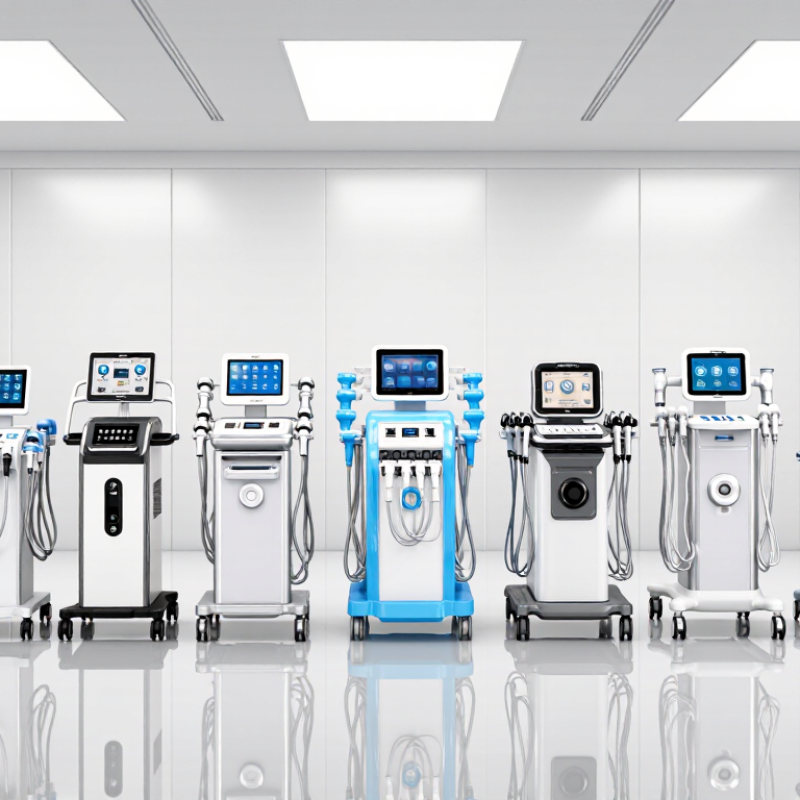
China’s 10 in 1 Beauty Machine suppliers offer a wide range of platforms, but the number of functions alone tells little about performance. Buyers should look closely at treatment modes, handpiece design, interface clarity, and the quality of service after delivery. A machine may look polished in a product photo. The real test comes when staff use it daily.

For this introduction, Lin Wei is a fictional composite product specialist, not a verifiable industry source. The original guiding line below is not a recorded quotation: “Choose the machine whose functions you can explain, maintain, and support—not simply the one with the longest feature list.” It captures a practical point. Ask suppliers for detailed specifications, operating instructions, training arrangements, warranty terms, and clear answers about replacement parts. Then compare the responses, not just the brochures.

This guide introduces ten China-based suppliers and offers a starting point for further checks. Company profiles and product ranges can change, so confirm current details directly with each supplier. Request demonstrations where possible. Check that the quoted configuration matches the machine being offered, including accessories and service commitments. Small details matter. A confusing menu or slow support can become a daily frustration. Supplier comparisons are never perfectly neat, and a ranking cannot replace your own assessment. Use this list as a shortlist, then verify the fit for your team, budget, and intended services.
China Top 10 10 in 1 Beauty Machine Suppliers?

What Is a 10-in-1 Beauty Machine and Which Treatments Does It Support?

A 10-in-1 beauty machine is a multi-function aesthetic platform, not one treatment with ten guaranteed outcomes. Its configuration varies by supplier. Common modules include hydrodermabrasion for surface cleansing, radiofrequency for skin warming, ultrasonic infusion, oxygen spray, vacuum suction, microcurrent, and LED light. Some systems also offer cooling or water-based exfoliation. The label can sound more precise than it is: check the actual handpieces, settings, and treatment protocols before comparing machines.

Demand for non-surgical aesthetic treatments provides useful context. The International Society of Aesthetic Plastic Surgery reported about 19.1 million non-surgical procedures worldwide in its 2023 Global Survey, published in 2024. That figure covers many procedures, not just treatments using multi-function machines. It signals interest, but does not prove that every function is effective for every skin type. Operators should follow training, screen for sensitivities, and explain realistic outcomes. A cool metal treatment head and a warm RF applicator, for example, require different protocols.

Tips: Ask suppliers for a function-by-function list, operating instructions, and cleaning steps. Test each handpiece during a demonstration. Match settings to the client’s skin and comfort; more functions do not automatically mean better results.

How China’s 10-in-1 Beauty Machine Supplier Market Is Structured

China’s 10-in-1 beauty machine market is better understood as a supply chain than a single supplier category. Component makers provide handles, screens, cables, and treatment heads; OEM and ODM factories assemble systems, while trading companies coordinate export paperwork and communication. These roles can overlap. A factory may design the casing but purchase key modules elsewhere.

McKinsey’s 2023 State of Beauty report projected the global beauty market could reach about $580 billion by 2027, with roughly 6% annual growth. That figure covers beauty broadly, not 10-in-1 equipment specifically. It signals demand, but does not prove a supplier’s product quality or production capacity. In practice, ask for a clear function list, sample test records, spare-part lead times, and the name of the party responsible for after-sales service. A glossy catalog is not evidence of engineering depth.

Tips: Request a live demonstration of each function, not just a menu screen. Check whether consumables and replacement handles are available. Small details matter. Suppliers may describe similar functions differently, so compare specifications carefully and verify claims before ordering.

China Top 10 10 in 1 Beauty Machine Suppliers? - How China’s 10-in-1 Beauty Machine Supplier Market Is Structured

The table below describes common supplier and sourcing patterns rather than ranking or naming individual companies. “10-in-1” is a marketing description, not a standardized technical specification; functions and configurations vary by model.

No. Market Dimension Typical Market Structure What Buyers Should Verify
1 Supplier business model The market includes equipment manufacturers, OEM/ODM providers, and export-oriented trading businesses. Some suppliers combine manufacturing and export services. Confirm which entity manufactures the equipment, handles quality control, and provides after-sales support.
2 Meaning of “10-in-1” There is no single industry-wide definition of a 10-in-1 beauty machine. The number of functions and the way they are counted can differ between product listings. Request a model-specific function list, handpiece count, operating modes, and user manual.
3 Common treatment modalities Depending on the model, combinations may include hydrodermabrasion, radio frequency, ultrasound, microcurrent or EMS, LED light, oxygen spray, vacuum, skin scrubber, or cooling functions. Check that each advertised function is present on the quoted configuration and that its operating parameters are documented.
4 OEM and ODM options Customization may include logo placement, exterior color, user-interface language, packaging, and selected accessories. The available scope depends on the supplier and order. Request a written specification for branding, artwork approval, tooling charges, and ownership of customized files or designs.
5 Component sourcing and assembly A finished device can combine a console, handpieces, consumables, and electronic components from different sources. The level of in-house production varies by supplier. Ask which stages are performed in-house and how component substitutions are approved and communicated.
6 Quality documentation Documentation differs by manufacturer, product, and destination market. A certificate or test report should relate to the relevant legal entity, model, and scope. Check document numbers, issuing bodies, validity, product-model coverage, and whether reports can be independently verified.
7 Regulatory requirements Requirements depend on the device’s intended use, claims, technical characteristics, and destination market. Cosmetic-use equipment should not automatically be assumed to have medical-device authorization. Confirm applicable local rules with the relevant authority or qualified regulatory adviser before importing or making treatment claims.
8 Order quantities and lead times Minimum order quantities and production schedules are quote-specific and may change with customization, component availability, and order size. Obtain written terms for sample orders, production timing, inspection, shipment, and any conditions that could affect delivery.
9 Training and after-sales service Support may include operating instructions, remote troubleshooting, replacement parts, or technician assistance. Coverage and response arrangements vary. Clarify warranty duration, exclusions, spare-parts availability, service response times, and training language.
10 Buyer and channel segments Suppliers may serve beauty salons, spas, distributors, private-label sellers, or other professional buyers. Product configuration and support needs differ across these channels. Match the machine’s documented functions, training, servicing, and compliance status to the intended users and sales market.

Note: This overview describes general sourcing considerations and does not constitute a verified supplier ranking, certification assessment, or regulatory determination.

Key Criteria for Evaluating Chinese Beauty Machine Suppliers

Choosing a Chinese supplier for a 10-in-1 beauty machine takes more than comparing price lists. Ask for a clear function-by-function specification, including output settings, treatment modes, and which handpieces are included. A detailed answer is more useful than a broad promise. Request recent quality-control records and sample test reports, then check that the documents match the exact model being quoted.

Look closely at the machine itself. Are the labels readable? Do the connectors fit securely? Ask how the supplier checks each handpiece and tests the unit before shipment. A video call showing the equipment in operation can clarify details that product photos miss. Still, a demonstration is not a substitute for written specifications or independent technical review.

Support matters after delivery. Confirm what training materials are provided, how replacement parts are ordered, and how technical questions are handled across time zones. Ask for realistic response times, not just assurances. Fast replies help. But keep key commitments in writing. Review the warranty terms carefully, including exclusions and who pays shipping for service. If a supplier avoids specific answers, pause and ask again; that hesitation may be worth investigating before a purchase.

Profiles of Ten Chinese 10-in-1 Beauty Machine Suppliers

Chinese 10-in-1 beauty machine suppliers vary in engineering focus, production scale, and after-sales support. These profiles describe supplier types, not a verified ranking of named companies.

A component-focused manufacturer may offer clear parts lists and stable replacement access. Ask for proof. A factory specializing in compact equipment may suit clinics with limited room, but check whether its interface is easy to use. An export-oriented supplier often prepares manuals and packaging for overseas orders; confirm the documents match the actual machine. A customization-focused producer may adjust handles or screen layouts, though changes can affect lead times.

A supplier with in-house assembly can explain how each function is tested before shipment. Request sample inspection records. A research-led manufacturer may provide detailed operating parameters, but technical explanations should be clear to non-engineers. A high-volume producer may offer consistent output and shorter production cycles; ask how it handles faults after delivery.

A smaller workshop may respond quickly to design questions, yet its service capacity can be less predictable. A supplier with training resources can help operators understand settings and routine cleaning. Check that training covers each included function. A trading company may coordinate several production partners, which can simplify communication but make factory verification important. Treat brochures as a starting point, not evidence; compare specifications, warranty terms, and support response times.

How to Compare Suppliers, Certifications, and After-Sales Support

Choosing among China’s 10-in-1 beauty machine suppliers takes more than comparing prices and polished product sheets. Ask for the exact model’s technical file, operating manual, and test reports. Check that certificates identify the manufacturer and cover the configuration you plan to purchase. A document for a related model may not confirm its functions, accessories, or electrical setup. Paperwork matters. Request a live demonstration of each treatment mode, and observe setup, controls, and cleaning steps.

Compare after-sales support in writing, not through verbal promises alone. Ask about warranty length, exclusions, response hours, replacement-part availability, and shipping costs. Confirm whether operator training is included, and request a sample troubleshooting guide. If possible, speak with a recent buyer about the time needed to resolve a common fault. Supplier replies may sound reassuring, but vague timelines deserve a closer look. No comparison is perfectly tidy: service can change after delivery, and that uncertainty is easy to underestimate. Keep a simple scorecard so differences in documentation, training, and parts support remain visible.

FAQS

What is a 10-in-1 beauty machine?

It is a multi-function aesthetic platform, not one treatment with ten guaranteed outcomes. Its modules vary by supplier. Count the handpieces.

Which treatments might it support?

Common modules include hydrodermabrasion, radiofrequency, ultrasonic infusion, oxygen spray, vacuum suction, microcurrent, and LED light. Some models add cooling or water-based exfoliation. Check each head.

Does every machine include the same functions?

No. The “10-in-1” label can hide different configurations, settings, and accessories. Ask for a function-by-function list and test each handpiece during a demonstration. Labels can mislead.

Does the number of functions prove effectiveness?

No. More functions do not automatically mean better results. A 2023 global survey reported about 19.1 million non-surgical procedures across many categories, not just multi-function machines. Evidence has limits.

Why do treatment settings need to differ?

Skin sensitivity, comfort, and treatment heads vary. A cool metal head and a warm radiofrequency applicator require different protocols. Check comfort first.

What should buyers check before choosing a supplier?

Request technical files, manuals, test reports, and certificates for the exact model and configuration. Verify parts lists and sample inspection records. Paperwork matters.

How can after-sales support be compared?

Get warranty length, exclusions, response hours, parts availability, and shipping costs in writing. Ask whether training and troubleshooting guides are included. Vague timelines deserve a closer look.

How can buyers judge supplier claims?

Watch a demonstration of setup, controls, and cleaning. Compare support response times and, if possible, ask a recent buyer how a common fault was resolved. Brochures are only a start.

Conclusion

This guide explains what a 10 In 1 Beauty Machine is and outlines the range of aesthetic and skincare treatments these multifunctional systems may support. It also describes how China’s supplier market is organized, from manufacturers and product developers to exporters and service providers. Readers will learn why treatment functions, equipment specifications, customization options, quality controls, and communication practices should all be considered when assessing potential suppliers.

The article presents profiles of ten Chinese suppliers and offers a practical framework for comparing them. It highlights the importance of checking relevant certifications, reviewing product documentation, clarifying warranty terms, and confirming the availability of training, maintenance, and replacement parts. By evaluating these factors together rather than focusing on price alone, buyers can make a more informed shortlist and identify suppliers whose products and after-sales support suit their business needs.

Amelia

Amelia

Amelia is a seasoned marketing professional with a wealth of expertise in our company’s core offerings. With an unwavering passion for driving growth and innovation, she plays a pivotal role in shaping our marketing strategies and enhancing brand visibility. A key aspect of her responsibilities......